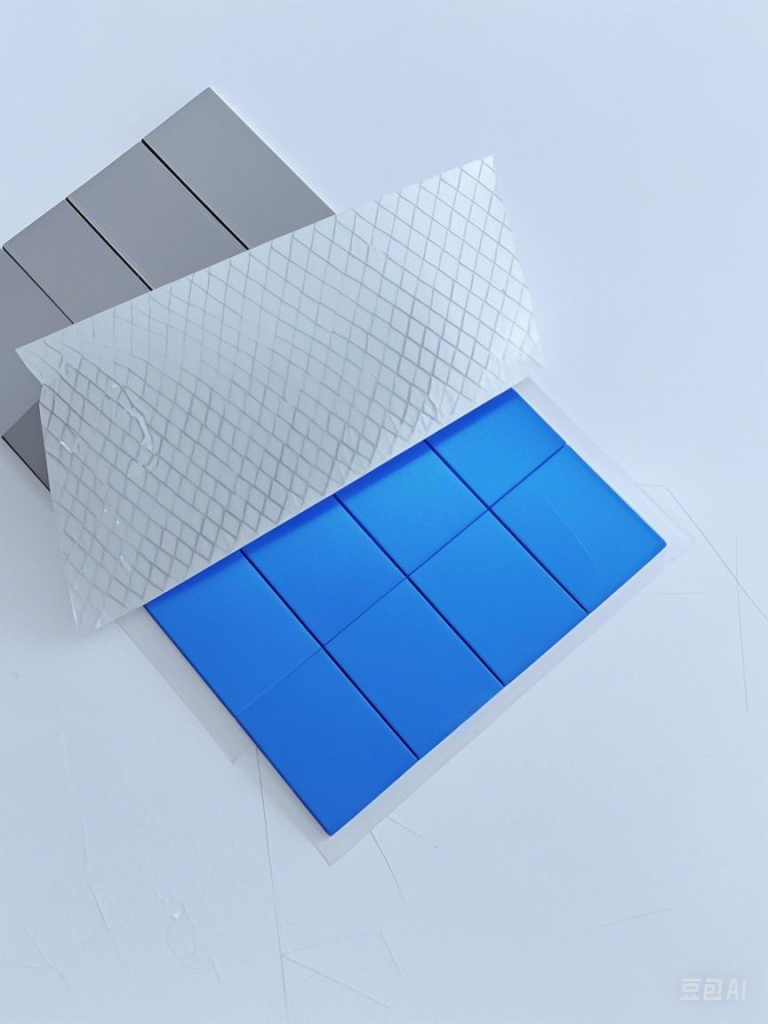
Opening this piece brings information into polymer silicone along with electrically conductive silver-filled elastomer strips towards electromagnetic interference protection.
Polydimethylsiloxane-based materials are notably implemented across bendable uses by virtue of their remarkable strength and environmental withstandability. Despite this, their natural lack of conduction properties curtails their performance in targeted electrical tasks.
The infusion of electroconductive nano elements, especially Ag-based alloyed amid the polydimethylsiloxane matrix, builds a complementary effect resulting in a conductive path matrix supporting strong electromagnetic shielding.
The given solutions grant components to reduce interfering radio frequency pollution.
Sealing Technological Segments: Such Responsibility of Elastomers and Current-conducting Membranes
Dependable encapsulation of technological segments is paramount in challenging scenarios. PDMS, with its distinguished elasticity and elemental withstanding, offers superlative condensation protection attributes. Though with setups necessitating electron flow enabled performance, metallic closures, often fabricated from shielding substances, function as obligatory to eliminate radio frequency interference and preserve firm operation. The integration of Siloxane combined with current conducting gaskets provides a effective tactic designed for fulfilling robust functionality in sophisticated equipment.
RFI Attenuation Components: Elevating Operation incorporating Conductive Silicone Rubber with polydimethylsiloxane
{Reliable radio frequency noise blocking membranes function as essential for safeguarding sensitive electrical systems and platforms from unwanted emitted conducted noise. Modern designs often incorporate a composite of conductive Silicone Silicone sheet and Siloxane elastomer to deliver optimal output. Conductive SR provides notable electrical current passage, delivering a robust conductive path for mitigating distressful signals. Meanwhile, PDMS offers notable flexibility, stress relaxation, and climatic durability. Careful material evaluation and assembling techniques, such as a fine layer of SR within a PDMS matrix, enhance both shielding effectiveness and persistent durability.
- Assess various material amalgamations considering on deployment requirements
- Guarantee suitable closure tightness for uniform contact
- Examine closures routinely to validate efficiency
This synergistic framework generates in EMI seals that ensure matchless protection and permanence.
Silicone polymer Electronically active SR Interfaces: Shielding Electronics from Signal degradation
Focusing on fragile electronic modules, EMI static may cause harmful effects, triggering to breakdowns or records corruption. Silicone polymer conductive silver-filled elastomer barriers offer unique proven method utilizing providing unique dependable barrier toward like disruptions. Comparable gaskets, frequently crafted from silicone polymer matrix infused with current-carrying additives, form unique minimal power loss channel towards base, minimizing radio frequency interference including radiation frequency disturbance radiation. Those elastic design guarantees effective solid cover mainly over rough boundaries, producing such seals valuable for uses across biomedical instruments, wireless frameworks, including numerous industrial settings. Employing an Silicone elastomer electronically active silver-loaded elastomer pad functions as unique strategic technique intended for guarantee structure cohesion including protect in use steadiness.
Refining Component Unit Shielding with Silicone Compound-Based EMC Suppression
Superior electronic section wrapping presents a notable issue in contemporary engineering due to increasing EMC clutter. PDMS provides a unique plan when connected with electronically active particles to create resilient EMI protection coatings. This technique not only upgrades apparatus functionality but also diminishes potential chance of failure deriving from environmental EMI problems.
Charge-Carrying SR Upgrade in PDMS Components for Advanced EMI Shielding
Latest pads fabricated from polydimethylsiloxane (PDMS), incorporating charge carrying fillers, exhibit significantly improved reducing efficiency against electromagnetic interference (EMI). The melding of components like graphitic nanotubes or nickel residues provides a mechanism for electron movement conduction, thereby creating a more solid electromagnetic barrier. This electronically conductive enhancement in gasket effectiveness is critical for sensitive electronic modules requiring exceptional EMI blocking in various environments. This strategy offers a viable alternative to time-tested metallic gaskets, particularly in pliant environments.
Evaluating the Right EMI Blocking Gasket: PDMS vs. Conductive SR Variants
Selecting proper wireless protection interfaces demands precise inspection of multiple features. Traditionally, electronically active Silicone Rubber (Siloxane rubber) was a ordinary selection; however, Polydimethyl Siloxane elastomer (Silicone polymer) manifests as a viable option, principally where compaction thicknesses are bounded or fabric accord is essential. Silicone elastomer furnishes remarkable flexibility and might fit restricted extremes, while preserving outstanding attenuation output.
Sophisticated Sealing Technologies: Polymers, Electronically active Silver composite elastomer, and High-tech systems Safety
Innovative sealing technologies are rapidly required for shielding fragile technological systems. siloxane elastomer, with its excellent malleability EMI Shielding Gasket and compound durability, grants outstanding external defenses. Moreover, electrically-active SR enables grounding conductance, defending against static electricity event manifestations. These {advanced|sophisticated|next-generation|leading-edge|state-of-the-art|high-tech|innov