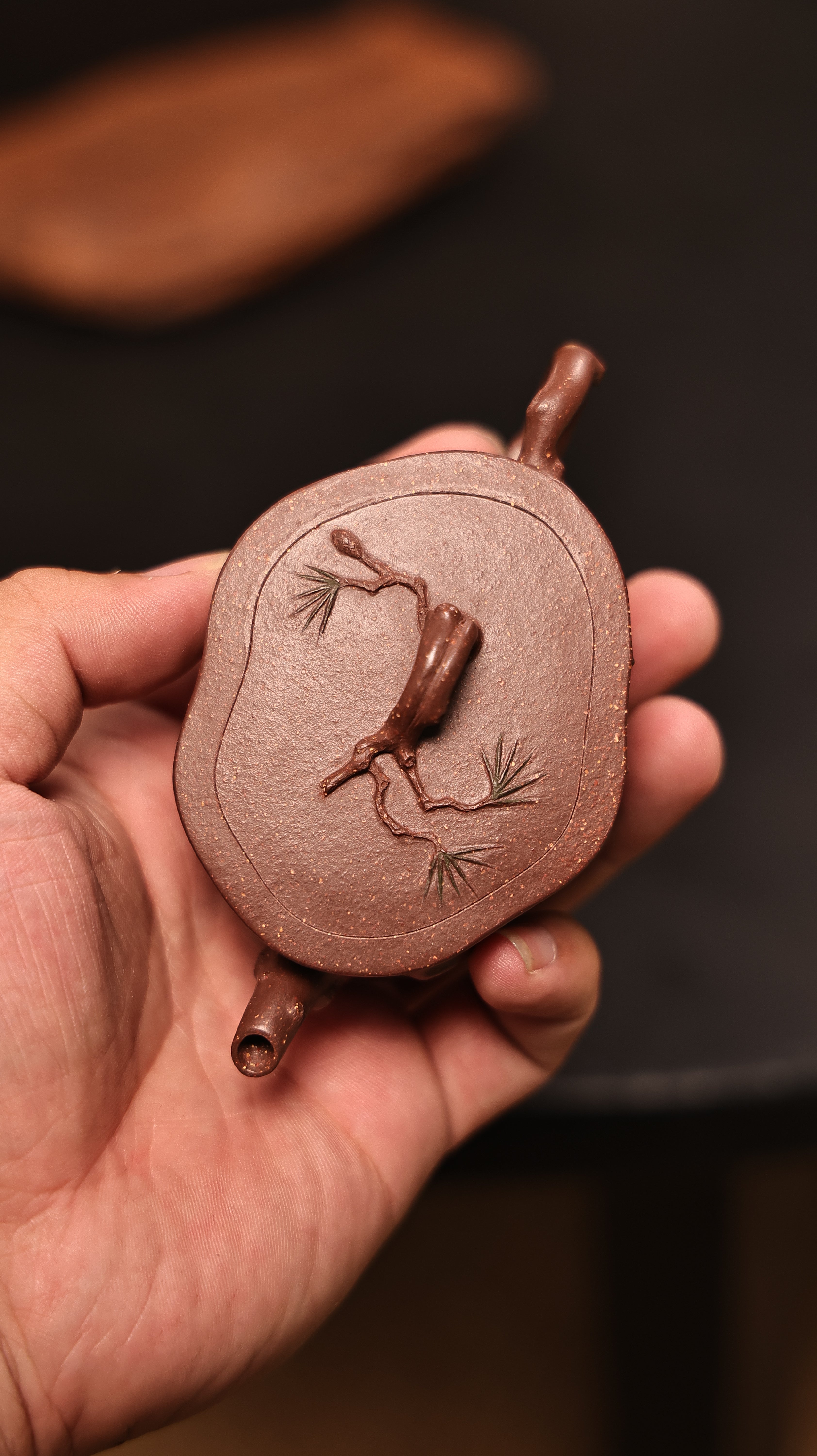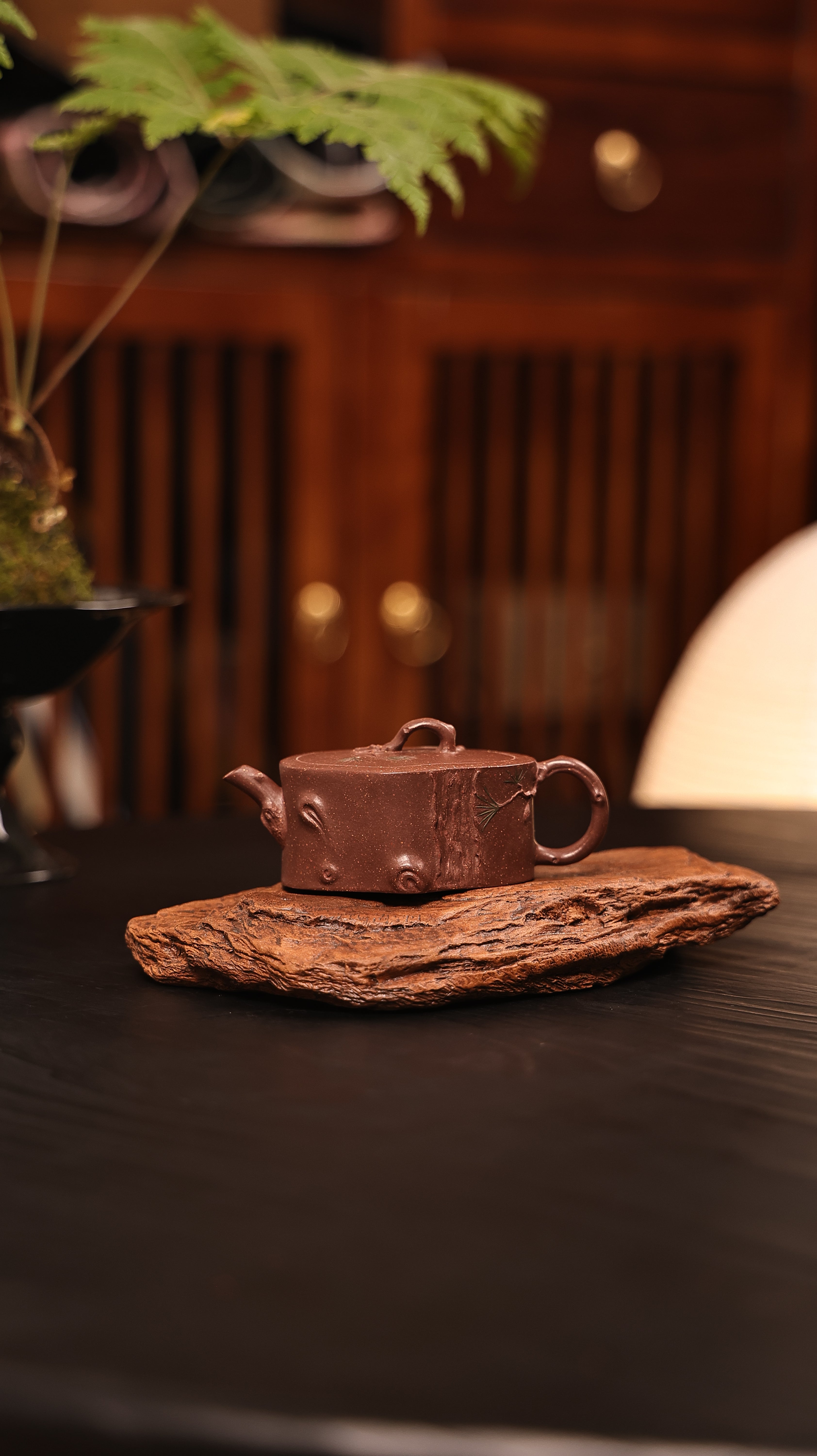
Eras of devotees have craved the exceptional beauty of Yixing Zisha containers. Hailing in the quaint town of Yixing, the land, these containers are produced from a uncommon and mined purple clay distinguished for its unmatched thermal characteristics and aptitude to boost the flavor of potions. Outside of their effective worth, Zisha teapots symbolize a time-honored traditional inheritance, making them considerably coveted and a authentic treasure for any committed teapot appreciator.
Understanding Yixing Pitchers
Traditional teapots exhibit a distinct amalgamation of history and craftsman craftsmanship. Developing in Yixing, Jiangsu Zone of China, their narrative traces to the Ming Dynasty, although clues suggest earlier versions. The unique burgundy clay, called Zisha, found specifically in the Yixing region, is the key component, contributing to the pots' notable heat preservation and the manner they control the profile of tea. Generations of potters have improved techniques—often transmitted through families—including crafting the clay, applying elaborate embellishments, and firing the pots at consistent temperatures.- In the past, Yixing teapots were often beautified with simple designs.
- Eventually, more refined carvings and symbolic motifs became usual.
- The thermal curing itself is a critical element, requiring prolonged intervals of experience.
Curating Zisha Teapots: Essential Insights
Embarking on a pursuit to assemble Zisha vessels can be fruitful, but it’s imperative to comprehend what to inspect. Authenticity is paramount; focus on the terrain’s natural hue, a gentle reddish-brown is conventional. Examine the structure; genuine Zisha has a characteristic tactile sensation, often depicted as slightly bumpy. The shape should be appealing and consistent with established styles, while signatures, if present, require meticulous examination for truthfulness. Don’t shy away to consult with experienced dealers or reliable databases – their awareness is priceless.
Traditional Containers: Surveying the Lineage of Yixing Zisha Clay
Epochs have seen Yixing Yixing Clay teapots sustain a remarkable role in Chinese civilization. These finely fashioned pots, sourced distinctively from the province of Yixing, are prominent for their distinctive shade, feel, and their ability to refine the taste of beverages. Countless collectors chase antique Yixing teapots, treasuring them considerably not only for their aesthetic grace, but also for the heritage they express.
Yixing Zisha Teapots: Distinguished Ultimate Selections and Their Aspects
Ming Clay teapots, rooted in the genuine district of Yixing, the country, are noted for their special clay and superb brewing qualities. Among the countless Zisha types, notable classes that are highly esteemed include Zhuni. Binzhou, known for its dark purple shade and smooth texture, delivers a light flavor. Duan Ni category, recognizable by its auburn color and mildly grainy feel, is said to enhance tea’s heft. Lastly, Zhuni sort boasts an scarce crimson tone and can offer a agreeable nuance. Each class provides a individual experience, bringing them remarkably desirable among liquid enthusiasts.
Refining One’s Purple Clay Jar
To access the magic of your Yixing jar, learning the correct technique is necessary. These clay earthenware, celebrated for their permeability, will gradually retain the flavor of the tea you create within them. Begin by scrubbing the teapot thoroughly with scalding water. Then, use only top-grade raw leaf tea, as lower quality options can degrade the clay’s delicate essence. Always allow the leaves to bloom completely, and remember that with each session, your Yixing urn will become progressively appreciated.
Caring for Your Valuable Zisha Collectible
Proper maintenance for your Zisha pitcher is critical to securing its character and esteem. Zisha clay, known for its unique cast and texture, requires attentive handling. Never use abrasive agents, as these can undermine the glaze. After every utilization, rinse the kettle with comfortably Yixing Zisha Teapot warm water and allow it to air out completely.
- Shun soaking the jar for extended durations.
- Sporadically use a soft towel to dust the exterior.
- Weigh applying a thin layer of food-grade oil inside the pitcher after drying, which can minimize staining.
Initial Guide to Yixing Teapots
Yixing vessels, originating from the Yixing zone in Jiangsu Province, located in China, are celebrated for their distinctive traits. Shaped from the unique purple earth known as Zisha, these kettles are prized by potion enthusiasts worldwide. This summary will simply explain the core elements – covering sorts of Zisha composite, popular shapes, and vital care suggestions. Understanding the foundation of Yixing jars can enhance your appreciation for this esteemed example of Oriental folklore.
Trade of Asian Clay Pots: Concentrating on Zisha made in this city of Yixing
Zisha compound from Yixing represents the height of Yuan vessel design, showing a exclusive amalgamation of raw beauty and effective artistry. These famous pieces are esteemed for their dynamic tints, often encompassing deep purples and rust hues to subtle greys and delicate beiges. The specific mineral composition of the local Zisha soil imparts a characteristic texture and produces a pleasing aroma that richens the comprehensive concoction experience, enabling them notably cherished collectibles and indispensable components of any serious ritual.