Within the domain of lasting customs,
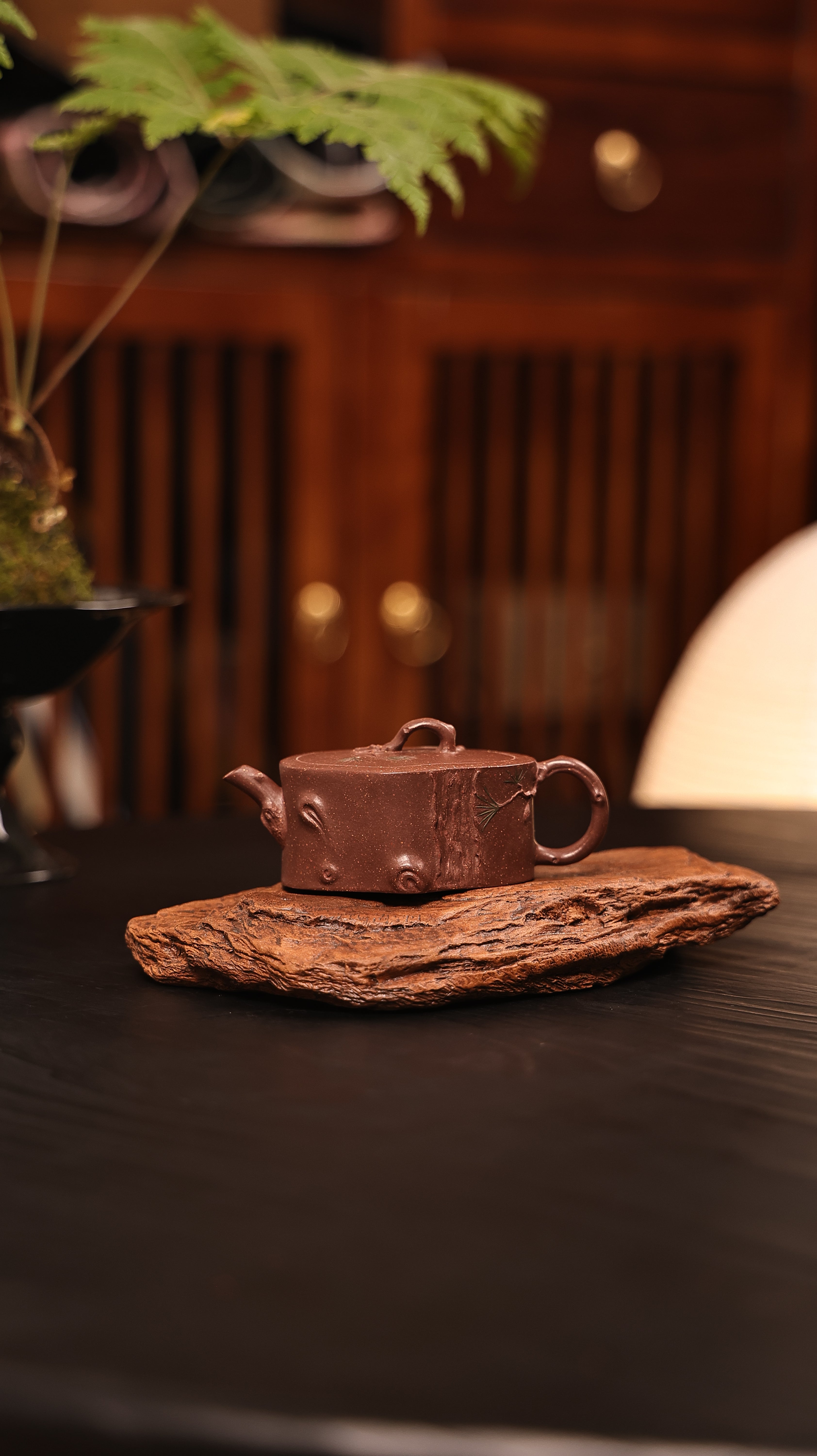
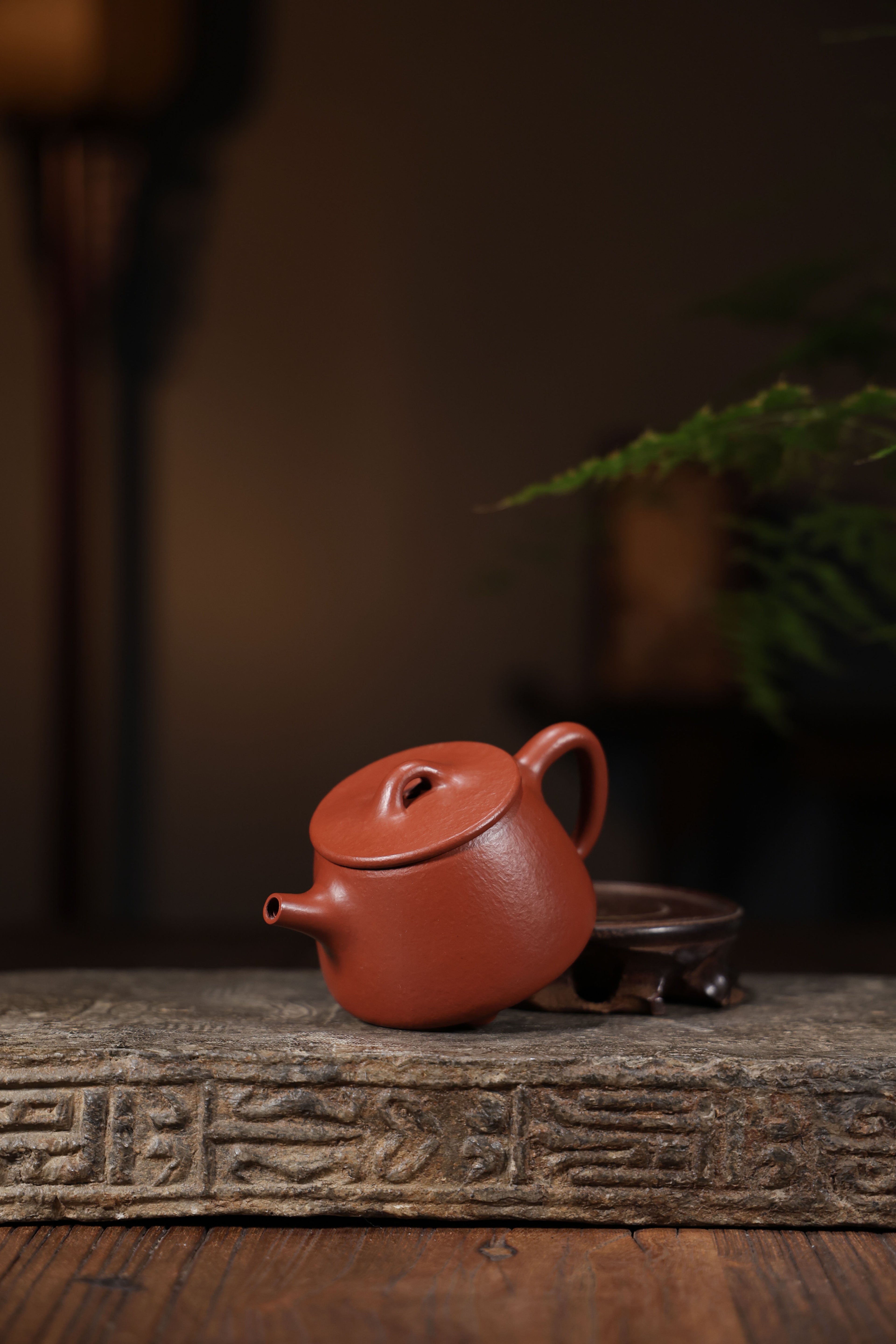
Throughout decades, enthusiasts have been fascinated by the uncommon charm of Yixing Zisha teapots. Originating from the territory of Yixing in the mainland, these pieces are renowned for their outstanding beauty, infrequent clay, and essential ability to raise the bouquet of the steeping. The clay's distinctive purple-brown hue, combined with the artistic handiwork of regional makers, creates pieces that are simultaneously functional designs and cherished valuables. Gaining a Zisha teapot is more than just every purchase; it's adopting a rich legacy heritage.
Decoding Yixing Teapots: Evolution, Classifications, and Significance
Yixing region's teapots constitute a fascinating tradition deeply intertwined with Chinese culture. Beginning in the Yixing region of Jiangsu province, these clay vessels have a heritage dating back to the Ming Dynasty. Former copyrightples were functional, but throughout centuries, Yixing teapot forging evolved into an esteemed art form. The clay itself, known for its unique composition and ability to boost the flavor of the tea, exists a defining factor. Yixing teapots appear in various styles, broadly categorized by shape: Historic such as Zhuni (purple clay) and Bisheng, as well as refined designs. The merit of a Yixing teapot varies on several factors, including the potter’s fame, the age of the piece, the rarity of the clay, and its aesthetic appeal.- Account: Old ages
- Earth: Various types
- Appraisal Elements: Age
Zisha Pot Excellence: Methods and Craftsmen
The assembly of a legitimate Zisha teapot is a demanding process, requiring decades of competency. Expert artisans meticulously choose the prime Zisha clay, a distinctive earth found only in specific regions of China. Longstanding techniques, often transmitted through families, involve precise shaping, fine carving, and slow firing in ancient incinerators. The ultimate teapot isn't merely a vessel; it's a testament to inventive vision and the profound connection between the fabricator and their tradition. Each artifact showcases the unique touch of the maker, resulting in a truly matchless work of art.
Ancient Pottery: Delving into the Deep Practices of Yixing City
Esteemed Yixing, nestled in Jiangsu the expanse, is internationally renowned for its exceptional cookware – a tangible representation of centuries of Chinese culture. These aren't merely vessels for creating tea; they are intricate works of skill, often reflecting intellectual ideals. A unique purple clay, known as Zisha, possesses extraordinary qualities: the element Yixing Teapot dense, breathable, and imparts a subtle essence to the tea.
- Plentiful clans have honed the techniques of Yixing urn making, passing down secret methods through lineages.
- Admirers prize these pieces for their beauty and infrequency.
- Various teapot tells a history, connecting the tea lover to a rich foundation.
Engaging in Yixing Zisha: Vital Indicators
While evaluating collecting Yixing Zisha earthenware, several aspects require careful analysis. Firstly, the soil's tint is paramount; authentic Zisha traditionally exhibits a distinct reddish cast. What's more, investigate the execution; exacting attributes and a clean surface suggest talented artistry. Ultimately, determine the creator’s standing; well-known names earn enhanced fees and often grant a promising profit.
Artisan Techniques for Brewing Tea in Zisha Pots
Crafting flavorful tea with a Zisha pot is more greater than a simple ritual; it's an art. Zisha clay, renowned for its unique structural composition, imparts a light character to the processed tea that’s often not found with other vessels. The optimal water warmth is vital; typically, moderated than what's used for black tea, to sustain the tea's odor and note. Consider meticulously the tea selection; delicate green teas or aged pu-erhs benefit from the Zisha’s ability to reduce their primitive edge. It’s essential to cleanse the teapot prior to brewing, and to neglect over-steeping. Mastering this procedure leads to a veritably exceptional tea occasion.
- Understanding Zisha Clay
- Thermal Measure & Tea Sort
- Role of Pre-treatment
Protecting Your The Kettle
To ensure prolong the longevity of your esteemed Yixing vessel, regular management is truly key. Abstain from using cleaning agents; instead, non-aggressively spray it with warm hydrous medium. Shun immediate fluctuations; don't deposit the clay pot directly onto a thermally active burner. Periodically, develop the kettle by processing it with premium puerh liquid, as this helps to increase its character and shields the unique features of the clay.
Pertaining to Clay to Mug: The Voyage of a Purple Kettle
The creation of a Zisha teapot is a impressive process, a proof to both nature's bounty and the ability of the specialist. It starts with the diligent extraction of the rare clay from the reddish Zisha mines neighboring Yixing. This raw material, known for its extraordinary peculiarities, is then patiently washed and configured for the initial forming. The jar’s figure is expertly made using a fusion of established wheel throwing processes, often incorporating fancy enhancements. Following curing, the container undergoes a fundamental first firing, subsequent by a glazing stage, which might involve various layers of genuine Zisha overlays. Finally, a second, and sometimes third, firing at maximum temperatures brings the creation, revealing its complete beauty and extraordinary characteristics - a bona fide masterpiece, arranged to compliment a tea ceremony.
{Yixing Teapots: A Embodiment of Chinese Civilization and Recognition
Famed Yixing teapots, originating from the acclaimed Yixing region of Jiangsu province, are far more than mere jars for brewing infusions; they represent a profound aspect of Chinese customs. Made from distinctive purple clay – zisha – these remarkable teapots are highly treasured for their ability to complement the flavor of the tea and, crucially, for their artistic merit. The tradition of Yixing teapot making spans centuries, and the talent involved is bequeathed through generations, making each teapot a masterpiece that embodies long-established techniques and a profound appreciation for the modest pleasures in life.