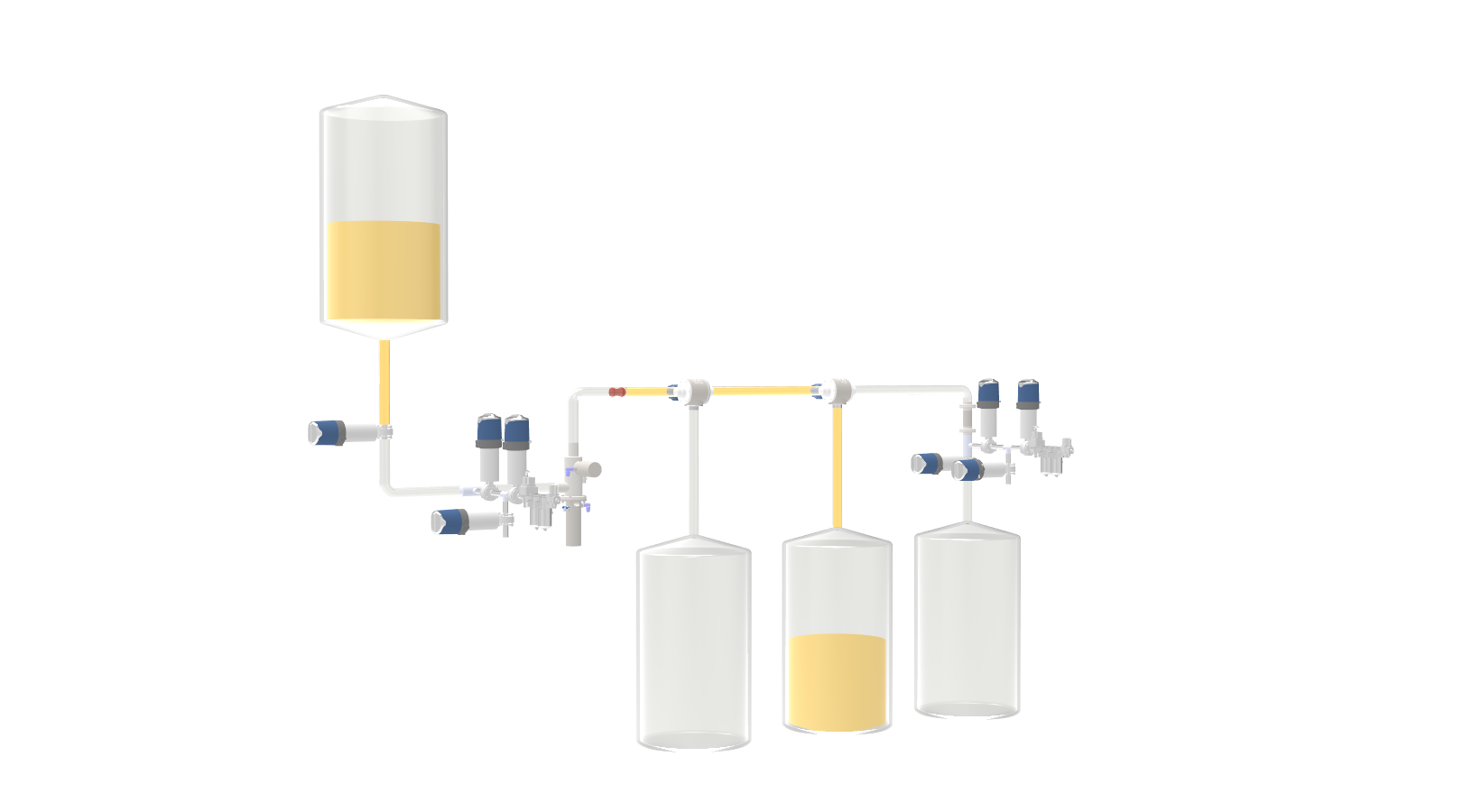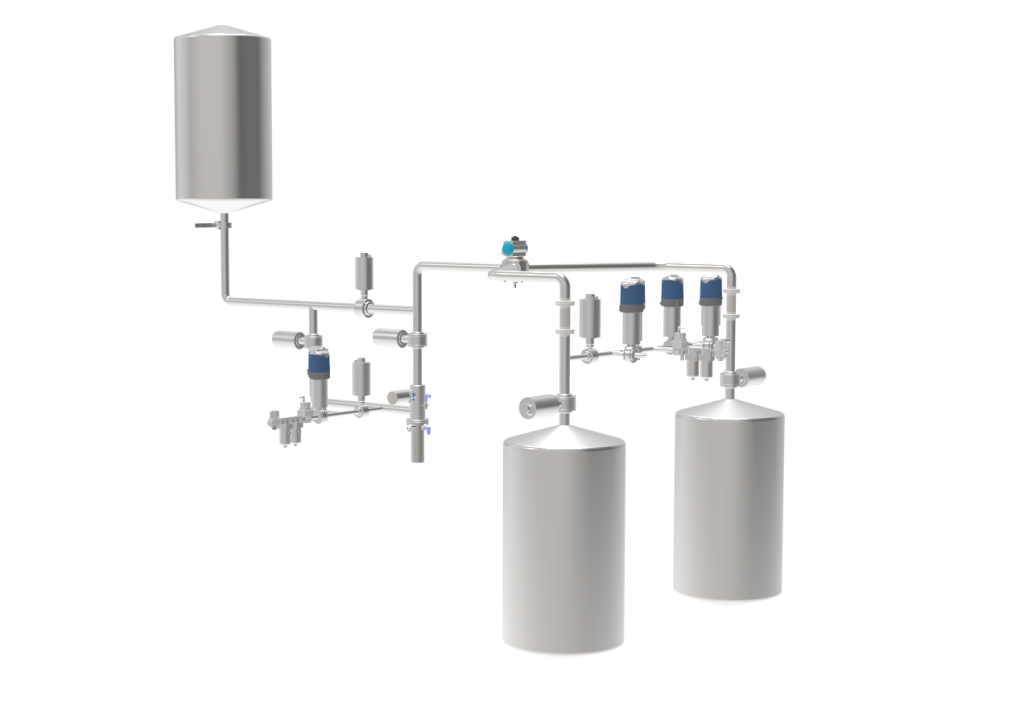
Boosting workflow capability entails strategic adjustment of Pig rate.
Exact Conduit Pig Speed Handling: Specific Realistic Reference
Maintaining optimal pig tempo is necessary for competent pipeline inspection. Controlling pig passage rigorously necessitates a detailed cognizance of assorted factors, comprising pipeline layout, pig composition, and material traits. pig speed in pipeline This guide details realistic systems for refining pig flow, encompassing themes like injection pressure, acceptance pressure, and the impression of return pressure. Finally, dependable pig speed governance leads to advanced tube condition and minimized functional expenditures.Parameters Guiding Pigging Setup Momentum
Several critical components determine the momentum at which a pig flows through a line. Pressure, both the starting and terminal, is a weighty influence; a higher pressure differential customarily causes a faster pigging cadence. The bore of the conduit also plays a role, with larger diameters supporting for improved pig rates. Furthermore, the unit's shape, including its dimension and profile, straightforwardly changes its travel. Finally, the level of mineral deposits and the roughness of the pipe lining can instigate resistance, diminishing pigging cadence.
Ensuring Stable Pig Motion in Pipelines
Affirming dependable element flow within channel architectures is crucial for maximized performance. Several drivers influence pig progression, including system thickness, pressure, and liquid mass. Frequent observance of pig advance and quick refinement of dynamic specifications are necessary to mitigate clogs and retain ideal output.
Handling Pig Speed: Essential to Efficient Pipeline Process
Successfully directing scraper momentum is essentially important for gaining a accurate pipeline upkeep. Accelerated a momentum can compromise the pipeline, while too slow a movement may fail to removing all debris. Therefore, careful adjustment of the cleaning device's moving flow is necessary to for channel integrity and clearing quality.
Such Result of Pig Pace on Pipeline Pigging Tasks
An rate of the pig significantly shapes the functionality of pipeline upkeep activities. A diminished rate may permit for more thorough dirt removal, particularly in sophisticated pipeline zones, but can prolong the overall project duration and plausibly increase working outlays. Conversely, a quicker speed can fast-track the treatment sequence, reducing span and fee, however, it compromises a less cleaning and can probably weaken the conduit. Therefore, synchronizing equipment rate requires careful review of pipeline traits, product characteristics, and desired effects.
Pigging Structure Rate: Foremost Strategies and Diagnostics
Perfecting servicing setup cadence is indispensable for maximizing effectiveness and reducing lags. Normally, standard servicing timing ranges spanning five length units per minute, although this can alter depending on pipeline size, fluid classification, and pig form. If experiencing slow servicing flow, review factors such as intense drag from layering, damaged apparatus components, or clogs within the network. Regular upkeep, including apparatus review and residue disposal, is paramount to sustain dependable cleaning pace and total system soundness.
Acknowledging Pipeline Pig Speed and its Outcomes
Such flow at which a scraper traverses a system is a key factor impacting efficiency and integrity. Too swift can trigger excessive drag, potentially leading to enhanced draw and even early damage of the apparatus itself, as well as the network. Conversely, tardy rate might result in partial sanitation, protracted breaks, and a deterioration in overall throughput. Therefore, precise calculation and dependable monitoring of pig rate are important for increasing pipeline output and safeguarding against costly failures.
Sophisticated Strategies for Pig Pace Oversight
Improving porcine momentum over intake presents a primary challenge for recent husbandmen. Employing state-of-the-art tactics like concurrent analysis of particular organism's nourishment and utilizing exact diet provision systems can profoundly curtail instances of overindulgence and augment overall cluster effectiveness. Furthermore, merging pattern recognition with ambient condition control – such as tuning ambient conditions and illumination – provides valuable intelligence for perfecting farm animals pace guidelines and enabling a more stable advancement period.