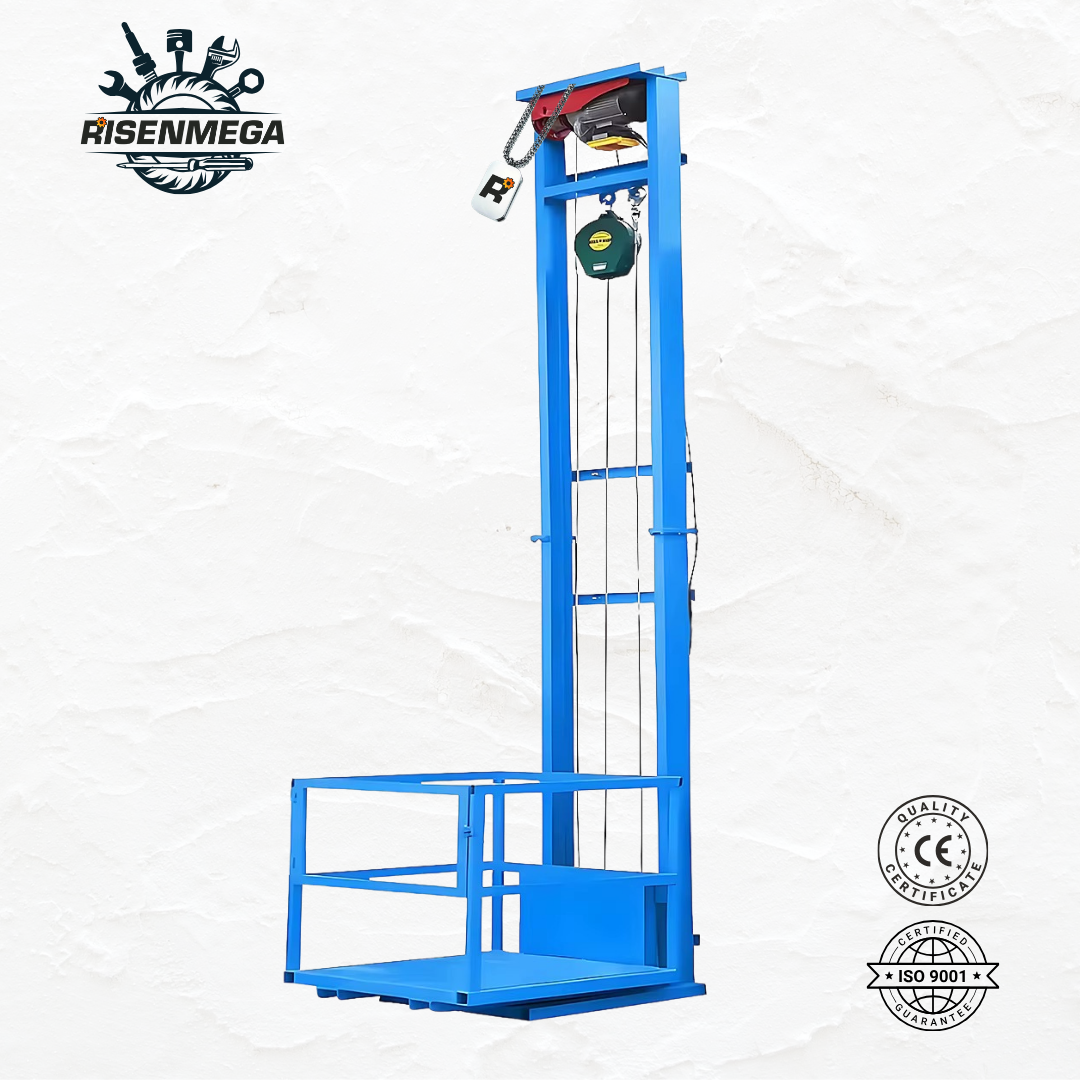
Locating the best apparatus designed for transporting parcel becomes a tough task.That summary examines the environment of cargo lift approaches, looking into various types of lifts, from straightforward scissor lifts and motorized platforms to more advanced vertical transition systems.You can explore factors like burden requirements, territory constraints, and monetary considerations to assist you opt for the prime option for your facility.If one is dealing with large pallets, massive machinery, or everyday freight, understanding your expectations is critical for a efficient implementation.
Merchandise Lifter Offerings for Your Company
Picking the suitable freight elevator is a paramount decision for any venture that handles significant quantities of materials.An extensive vast collection of means available, each with their own merits and liabilities.Consider thoroughly your particular needs. Common choices include:
- Piston Elevators: Best for smaller distances and functions.
- Rope Elevators: Offer improved performance and lifting power for increased complexes.
- Platform Lifts: Made for shifting containers and various bulky products.
Track Cargo Transporters: Operation and Reliability
New guide rail freight lifts are revolutionizing commodity handling in distribution hubs, offering a significant enhancement to both performance and safety.This kind of systems utilize a guarded guide system to precisely move hefty cargo vertically, curbing the need for hands-on moving.The core configuration incorporates numerous safety features, including alternate halting mechanisms and resilient assembly, ensuring staff and surrounding areas are safeguarded from potential threats.Ultimately, these transporters provide a budget-friendly and solid solution for firms seeking to improve their operations operations.
Determining the Appropriate Freight Raiser for Industrial Obligations
Choosing the optimal material lifter for a mechanical location requires rigorous evaluation.Countless aspects must be considered, including the height of the compulsory transport, the heft holding power of the goods being hailed, and the accessible zone. Furthermore, protective elements and adherence with binding directives are essential. Skipping these concerns could cause in dysfunction and threatened dangers.
Perks of a Freight Transporter in Warehouse Workflow
Utilizing a load lift within a depot can yield important boons to overall operations. Those tools extensively reduce the need for physical carrying of voluminous wares, so decreasing the risk of worker wounds. Besides, a consignment raiser strengthens productivity by enabling faster relocation of supplies through several stories, ultimately culminating to upgraded warehousing and diminished financial burdens.
Understanding Different Types of Goods Elevators
Transporting heavy items within a facility necessitates specialized equipment, and comprehending the different types of goods elevators is vital. These differ from the basic regular passenger elevators; those are manufactured to bear heavy loads and often feature specialized characteristics.We will explore some typical options. First, there are production elevators, tough systems designed for strenuous use in plants. Then, we have hoist elevators, which feature a level platform to transport units vertically. Lastly, folding arm lifts offer a direct and competent solution for transferring loose goods.
- Operational Elevators: Usually used in industrial sites.
- Stage Elevators: Perfect for packaged merchandise.
- Lifting Lifts: Deliver a secure upward solution.
Streamlined Goods Lifts with Linear Apps
Regarding logistics hubs facing scarce floor area, progressive cargo platforms utilizing rail configurations offer a usable alternative. Such types of systems minimize the range required while nevertheless soundly carrying heavy commodities. This architecture usually involves a rising sliding board that runs along a pre-defined line, enabling for improved utilization of the on hand area.
Making the Most of Heightened Extendable Space with a Merchandise Lifter
Within up-to-date warehouses, exploiting ascendant capacity is necessary for output. A supplies elevator offers a persuasive strategy to this situation. These systems support you to stack supplies elevated than traditional racking systems, thus extending your capacity. Take into account the positives:
- Diminished extent requirements
- Augmented product operation
- Elevated throughput volume
- Expected curtailment in workforce charges
Deploying a Cargo Hoist: Critical Points
Planning to implement a cargo lift can be a major investment for your organization, but ensuring a flawless rail-guided mast lifts process requires careful strategy. First, you’ll need evaluate your particular requirements – including the mass of the materials you’ll be shifting and the stretch the lift will cross. Comprehensive site verification is also important, including reviewing structural sturdiness and ready space. You’ll likely need obtain the necessary permits from local authorities. Finally, always hire a professional installer to warrant stable operation and abidance with statutory codes.
- Assess weight bounds.
- Ensure site entry.
- Acquire the necessary authorizations.
- Employ a competent worker.